
Adaptive Fashion: Enhancing Accessibility and Style
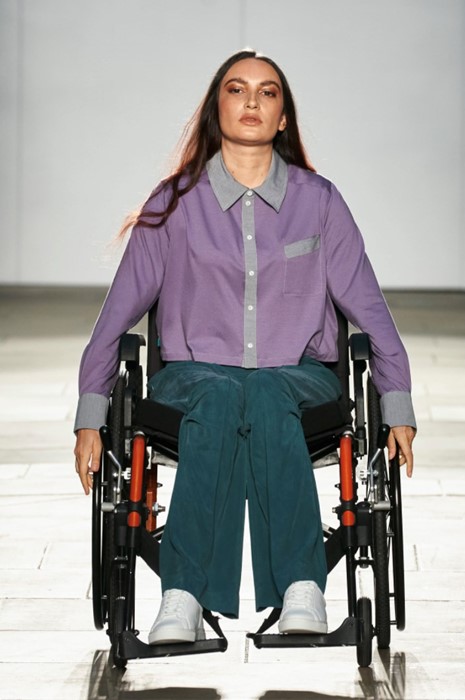
Adaptive fashion refers to clothing and accessories designed specifically to meet the needs of individuals, with disabilities, and sensory, or mobility limitations.
Key Features:
Garments are crafted with features that prioritise ease of dressing, comfort, and accessibility, empowering people with diverse abilities to express their personal style.
- Easy Fastenings: Incorporating alternative closures like Velcro, magnets, or snaps for effortless dressing, particularly beneficial for those with limited dexterity or mobility.
- Adjustable Design: Elastic waistbands, drawstrings, or straps to accommodate changes in body shape or size, ensuring a customisable fit for all.
- Seated Wear: Offering comfort for individuals who spend extended periods seated, such as wheelchair users, with features like reinforced seat areas and seamless construction.
- Sensory Considerations: Sensory sensitivities can be alleviated with soft, breathable fabrics, tagless designs, and flat seams to minimize irritation and discomfort.
- Innovative Materials: Experimenting with stretch fabrics, moisture-wicking textiles, and breathable materials to create functional yet fashionable garments.
- Modular Design: Introducing modular elements like detachable sleeves or interchangeable components for easy customization to individual needs.
- Inclusive Styling: Providing stylish and on-trend options that allow individuals to express their unique style and feel confident in their appearance.
Purpose of Adaptive Fashion:
Adaptive fashion aims to promote inclusivity, dignity, and independence for individuals with disabilities. Addressing the unique challenges of dressing empowers them to participate more fully in daily activities and social interactions while embracing their individuality.
 advocates apparel